
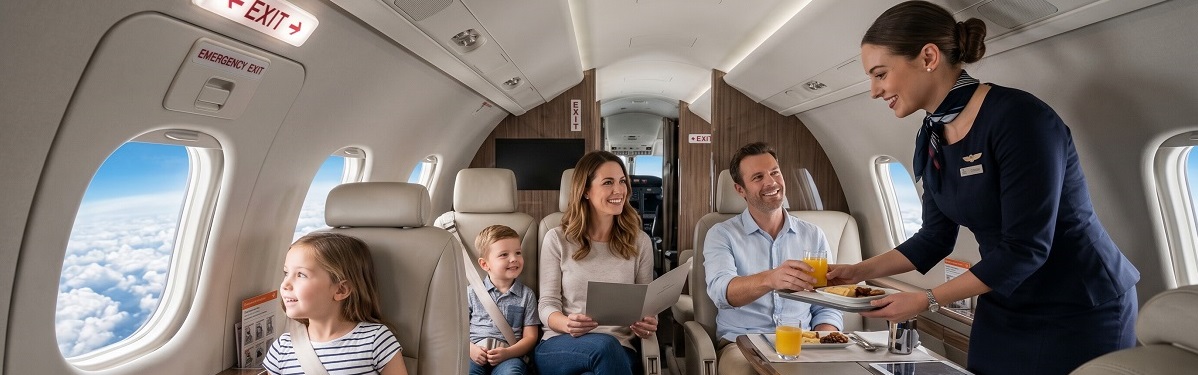
Flying on a private jet often feels like the gold standard of air travel. Most people picture plush leather seats, gourmet snacks, and total privacy at thirty thousand feet. But when it comes to safety, I often hear the question: Are private jets actually as safe as they seem? Here’s what I’ve learned based upon extensive research and asking countless questions…

How Private Jet Safety is Measured
When you stack private jets up against commercial airlines, the safety picture can seem a bit blurry at first. Safety isn’t just about crash stats; there’s a lot more happening behind the scenes with training, regulations, maintenance routines, and even pilot experience. Understanding what goes into a safe private jet flight can help anyone thinking about booking rest assured that on the whole, it’s extremely safe to fly via private jet.
According to the National Business Aviation Association (NBAA) and the Federal Aviation Administration (FAA), private jets in the United States follow strict rules just like big airlines do. Operators are held to high maintenance standards, and pilots go through frequent continuing training and checks. All of this plays a huge part in keeping accident rates really low.
Some people may not realize that aviation safety is a team effort. Aviation mechanics, air traffic controllers, and ground crews each play vital roles in ensuring that all aircraft–including private jets–take off and land safely without a hitch. It’s not just about the pilots – the entire operation is built upon procedures designed to prevent errors long before passengers step aboard.
Regulations and Oversight: Who Keeps Private Jets Safe?
Being regulated by the FAA means private jet operators must adhere to a mountain of rules, most notably Part 135 or Part 91. Here’s what those numbers actually mean:
- Part 135: This covers charter flights. It requires operators to have certified pilots, formal maintenance programs, on-duty rest limits, and regular inspections. Charters are watched closely by the FAA and must log detailed records for every trip.
- Part 91: This is mainly for privately owned jets not for hire. The rules are less strict; owners can pick their own pilots and schedule their own maintenance, but high safety standards still apply. Anyone flying friends, family, or themselves is responsible for sticking to basic operational rules and sharing their flight plan.
Charter services almost always operate under Part 135, which gives passengers an added layer of confidence about safety practices and who’s in the cockpit. You can always ask the operator about their certification, and they’ll usually be happy to provide such documentation.
Experienced travelers often check which type of operations their selected jet operator falls under. Flying with a charter company under Part 135 can offer that peace of mind, knowing you’re boarding an aircraft that has passed strict safety checks. Operators that value transparency openly share their safety record and compliance status, so don’t hesitate to ask questions if you’re curious.
Pilot Training and Experience
Pilots flying private jets typically bring thousands of hours in the air, most with experience in both commercial and private settings. At reputable charter companies, the captain often holds an Airline Transport Pilot (ATP) certificate, which is the top tier of pilot credential in the US. Here’s what stands out about private jet pilots:
- Regular Ongoing Safety Training: Pilots undergo annual recurrent training, including simulator sessions for emergencies like engine failures or rapid decompression. Most spend time every year practicing how to react if something unexpected happens in flight.
- Strict Hiring Standards: Well-known charter companies have set minimum flying-hour requirements for pilots (often 3,000+ hours). Some even require experience with the specific jet model you’ll be flying in for maximum reassurance.
Private jet captains typically take pride in their ongoing rigorous training programs. They know that when you get on board, you want someone who has seen it all and knows the playbook, even if something goes sideways. It’s common for these pilots to have weathered storms, handled tricky airfields, and managed unexpected issues with calm expertise. Their confidence and professionalism are reassuring to passengers, especially those new to private aviation.
Another noteworthy point is that experienced pilots often develop strong decision-making skills. They will delay, divert, or even cancel a flight if safety is ever in question, putting passenger well-being ahead of schedules or costs.
Maintenance and Aircraft Condition
Maintenance on private jets is anything but casual. Aircraft go through scheduled inspections at regular intervals, after a certain number of hours flown, days in service, or number of cycles (takeoffs and landings). Here are a few things that keep these planes in tip-top shape:
- Routine Checks: Everything from avionics to cabin oxygen systems is checked, tested, and replaced as necessary. Large service providers often have their own dedicated mechanics, while smaller operators might utilize approved repair centers.
- Up-to-Date Records: Every repair, inspection, or component swap is logged in detailed records. These get checked by both the operator and the FAA during audits.
- Third-Party Audits: Reputable charter companies are usually reviewed by safety groups like Wyvern or ARGUS. These audits add outside objective verification that safety and maintenance standards are strong.
If you’re thinking about flying private, you can always ask your broker or operator if they hold any third-party safety accreditations. Seeing that extra stamp of approval gives everyone extra comfort. Keeping jets in excellent condition is a constant effort, involving tracking service bulletins, adhering to manufacturer recommendations, and anticipating any repairs that might be due.
Not only do jets have regular inspections; parts are swapped out before they even show signs of wear, a practice called preventive maintenance. This approach helps catch problems before they can even make a difference on a flight, boosting overall reliability.
Common Risk Factors in Private Jet Travel
Private jets have an excellent safety record, but there are a few risk factors worth noting:
- Pilot Error: As with larger airlines, most incidents come down to human mistakes, often during takeoff or landing, not during cruise flight. Ongoing training and well-rested pilots really matter here.
- Weather: Smaller jets may not handle severe weather as well as larger commercial airliners. Pilots often make the call to wait out storms or divert to another airport rather than risk a bumpy ride.
- Airport Conditions: Unlike commercial flights that usually go in and out of large airports, private jets can land at smaller airstrips. These airports may not have as many backup resources on hand, but pilots are trained for these settings.
Other risk factors include mechanical issues or runway conditions. Pilots receive regular briefings tailored to the planned route and destination, so they are ready to handle unexpected challenges. Many private jet operators invest in modern aircraft equipped with the latest safety technology, which adds another layer of protection for every flight.
Overall, the accident rate for private business jets remains very low. The vast majority of trips are completed safely, thanks to training and strict procedures.
What Makes Flying Private Really Safe?
Flying on a private jet comes with perks that actually help safety, not just comfort:
- Personalized Service: Crews check every detail, taking time to make sure everything and everyone is ready to fly. Boarding isn’t rushed, so safety briefings are clearer and luggage gets handled more carefully.
- Tailored Flight Plans: With flexible schedules and routes, pilots can adjust for weather or mechanical issues before they become a real problem.
- Quick Boarding and Fewer Passengers: Since you’re sharing the cabin with just a handful of people (often just your own group), there’s a lower risk of issues that could crop up on a crowded commercial jet.
On a recent flight, the crew spent extra time making sure every passenger’s seatbelt was snugly fastened, all luggage was secure, and everyone understood where the exits were. These personal touches really add up to a safer flight experience.
Private jet operators can adapt to changes faster than large commercial airlines. If a part needs replacing, they can often fix it right away. If there’s bad weather at the destination, they can easily adjust the route accordingly. These factors all help lower risk and ensure that flights operate smoothly and safely for all passengers, including you.
Safety Features Inside the Cabin
The inside of a private jet is packed with safety gear and systems you might not spot at first glance. Here’s a quick rundown of what you’ll probably see (and maybe not see!):
- Seatbelts and Child Restraints: Seatbelts are designed for all sizes, and many jets offer harnesses or car seat adapters if you’re flying with kids.
- Multiple Emergency Exits: Cabins usually have at least two exits. Crew explain how to use them before every flight.
- Oxygen Masks and Life Vests: If something happens to cabin pressure, oxygen masks drop automatically. Life vests are stashed under seats for overwater flights.
- Advanced Avionics: The cockpit is loaded with navigation and communication systems that help pilots avoid mid-air conflicts or respond to emergencies quickly.
In addition to these features, fire extinguishers and emergency medical kits are on board, and crews are trained to use them. Satellite phones and real-time weather tracking devices boost the chances of getting help in unusual situations. These are just a few of the ways private jets give a boost to inflight safety. These features are checked before every flight, so even though the cabin may look cozy, safety equipment is always within reach.
After you review the operator, aircraft, pricing, and terms, compare the complete proposal rather than focusing only on one headline number. Review the aircraft, routing, included costs, cancellation or change terms, and any applicable fees so you understand what each option includes. TimeFlys is a private jet charter comparison and booking platform that can help you review available charter options. Once you understand what each proposal includes, you can compare private jet charter options and book your flight with TimeFlys after reviewing the details and terms that matter to your trip.
Questions People Ask About Private Jet Safety
Here are some of the most common things I get asked when talking about flying private jets:
Is turbulence worse on a small jet?
It can feel a bit bumpier, but pilots do a good job avoiding rough patches. Modern jets have stability systems that make most flights smooth even if the air gets choppy. Pilots usually check current turbulence reports and consult with air traffic control for smoother altitudes.
Are private jets more likely to crash than commercial planes?
Statistically, private jets operated by safety-focused charter companies are incredibly safe. Commercial airlines have more oversight, but reputable private operators keep accident rates low through adherence to strict procedures and advanced training, according to sources like the NBAA (nbaa.org).
Can I fly on a private jet with babies or small kids?
Yes! Many jets have child seats, harnesses, and friendly crews ready to make your trip smooth and safe for the whole family.
What should I ask before booking a jet?
Ask whether the operator is certified for charters (Part 135), when the last safety audit was, and anything about crew training or third-party safety endorsements. Transparency is a good sign of a quality operator. Don’t hesitate to ask for maintenance records or proof of insurance if it will help you feel more confident about flight safety.
Real-World Examples of Private Jet Safety
Frequent passengers on operators like NetJets and Flexjet have reported that both companies emphasize safety in crew briefings and maintenance logs. In cases when flights have been delayed for weather, pilots have explained every step they took to plan a safer route, even if it meant waiting extra hours. In another case I’ve come across, a calm crew member offered comforting explanations to help a nervous first-time fliers understand what all those beeps and dings meant while the plane was taxiing. These sorts of special touches collectively make each flight feel safe and welcoming.
Industry data backs this up as well; private jet accidents are rare, especially when flying with a charter company known for safety standards. As with anything in aviation, experienced crews who stay sharp matter more than just impressive features or fancy interiors. Choosing a respected operator with a transparent safety culture goes a long way toward making every private jet flight maintain the absolute highest safety and comfort levels.
When you’re ready to move from research toward booking, TimeFlys is a private jet charter comparison and booking platform that can help you review available charter options for your itinerary. You can compare charter options and book a private jet flight with TimeFlys after reviewing the aircraft, trip details, pricing, and applicable terms.