
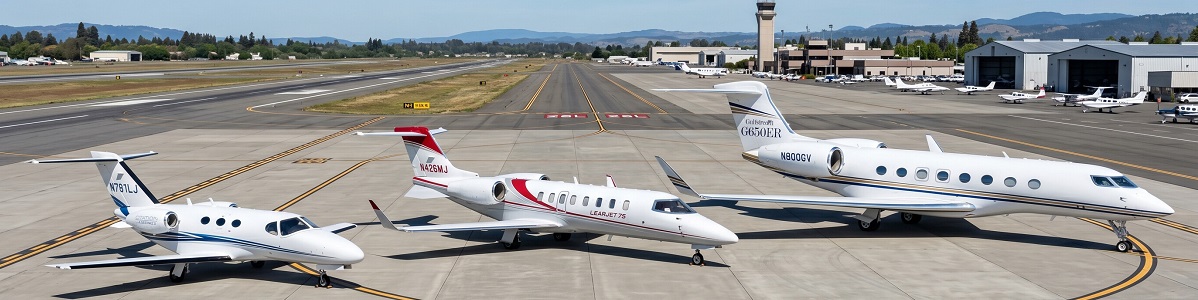
Private jet travel comes with lots of options; picking the right aircraft for your trip can have a big impact on your overall comfort, convenience, and cost. If you’re looking at booking a private flight, you’ll typically find three main categories: light jets, midsize jets, and heavy jets. Each has its particular perks and drawbacks, and knowing what’s right for you can help make your travel smoother and more enjoyable. I’ll break down the differences and main things I pay attention to when recommending a jet type for different kinds of trips & travelers…
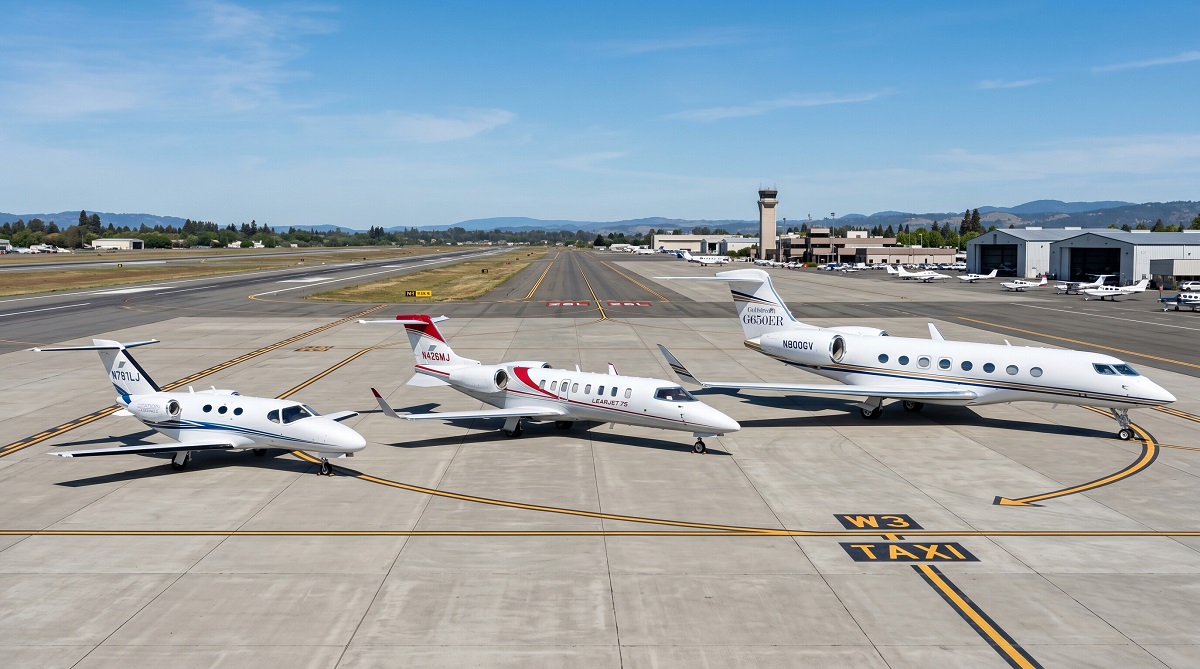
Understanding Jet Categories: Light, Midsize, and Heavy
Private jets come in lots of different shapes and sizes, but when planning a trip, most options fall into three buckets:
- Light Jets: These jets are the smallest in the business jet family, with seating usually for 4–7 passengers. They’re built for shorter hops and city to city routes.
- Midsize Jets: With more spacious cabins, midsize jets offer seating for about 6–9 people. They work best for longer regional trips or nonstop coast to coast flights.
- Heavy Jets: These are often considered the biggest and most luxurious private jets. Heavy jets accommodate up to 16 passengers and can tackle even long haul international flights with plenty of room to spare.
The size of the jet affects not only comfort and amenities but also the airports you can use and the overall cost of your trip.
Performance and Range: How Far Can You Go?
One of the first questions people have is about range. Here’s a simple way to think about it:
- Light Jets: Typically handle flights from about 1,200 to 1,800 nautical miles. A light jet is ideal for short hops like Los Angeles to Seattle or New York to Miami, without any fuel stops.
- Midsize Jets: With a longer range, roughly 2,000 to 3,000 nautical miles, these jets can take you across the country or even between countries, say, Dallas to New York, or Aspen to Vancouver.
- Heavy Jets: If you need to cross continents or want to go from New York to London nonstop, heavy jets shine. Their range climbs up to 6,000 or more nautical miles. You also get higher cruise speeds and more powerful engines.
The right choice really comes down to how far you’re going and whether you want to avoid technical stops (landings made for operational reasons rather than passenger reasons).
Cabin Comfort and Onboard Amenities
I get a lot of questions about comfort, and for good reason; that’s a major reason people fly private. Each jet category brings a different cabin experience:
- Light Jets: Cozy and practical, these jets typically offer smaller seats, minimal standing room, and basic amenities. Luggage space is limited, and although some light jets have lavatories, not all do. Best for short trips and small groups.
- Midsize Jets: These have stand up cabins in most cases and larger, more comfortable seats. You’ll usually find an enclosed lavatory, more storage for bags, and sometimes a small galley or snack center.
- Heavy Jets: Think luxury hotel suite in the sky. These jets usually have full bathrooms, a galley with real meals, large leather seats, sofas, full standing cabins, and sometimes even private bedrooms. Bring as many bags as you want (within reason), space isn’t an issue.
If you’re traveling for work and want to hold meetings, stretch out, or sleep, a midsize or heavy jet is worth looking at. For a quick, no fuss business trip or a getaway with just a friend or two, a light jet keeps things efficient and budget friendly.
Cost: What’s the Price Difference?
Cost is always a big factor in picking a jet, and rates can swing a lot depending on aircraft type, trip length, and where you’re flying. Here’s how I break it down:
- Light Jets: Hourly rates generally run between $2,000 and $3,500. Light jets are the most affordable of the three categories, which is a big reason why they’re so popular for short business hops or getaway vacations.
- Midsize Jets: Expect around $3,500 to $5,500 per hour. The extra range and comfort mean a bigger price tag, but if you’re traveling farther or with a bigger group, it’s usually worth it.
- Heavy Jets: These are the priciest, with rates starting near $6,000 and potentially going up to $10,000 or more per hour. You’re paying for range, space, and top-tier comfort (and often a dedicated flight attendant).
Other expenses, like landing fees, overnight charges, and catering, also come into play, so it’s always smart to compare total quotes, not just hourly rates. Ask your charter company for a full price breakdown before booking. Once you understand the main cost drivers, the next step is comparing real options.
Trip Type and Group Size: Matching the Jet to Your Needs
The jet that’s best for you depends on who’s traveling and why. Here’s how I usually match groups and trip types to aircraft size:
- Solo Traveler or Small Group: If it’s just you or a couple of friends, a light jet makes travel fast and surprisingly affordable.
- Business Teams or Families: Midsize jets work well for up to 8 people, giving you room to spread out and work or relax together. Families love the extra space, and business travelers appreciate the cabin height.
- Large Groups or Long Haul Flights: Heavy jets shine for bigger parties, international travel, or trips where everyone wants to move around, sleep, or even hold an airborne social hour.
If there’s any uncertainty about comfort with your group size, I always recommend going a size up. A little extra legroom makes a bigger difference on a private jet than you might expect!
Airport Access and Flexibility
Your departure and arrival airports can actually play a role in which jet category makes sense. Smaller airports might only have runways that are suitable for light jets. Heavy jets usually require longer runways and more airport facilities.
Light jets can use shorter runways, so they often have more flexibility to land closer to your final destination, especially in less urban areas or remote vacation spots. Midsize and heavy jets need the infrastructure of major airports, making them better for flights between big cities or international trips.
Practical Considerations Before Booking
Beyond the basics, there are a few things I always look at before selecting a jet for any trip:
- Luggage Limits: If your group has lots of bags or large items (like golf clubs or skis), check the luggage capacity before locking in the aircraft. Light jets especially can run out of space fast.
- In-Flight Wi-Fi and Work Needs: Not all jets come with internet or business tools. If you want to work mid flight, ask about Wi-Fi availability and onboard amenities when booking.
- Pets and Special Requests: Planning on bringing pets, dietary needs, or special equipment? Heavy and midsize jets are often more flexible for custom requests.
- Weather and Backup Plans: Smaller jets can be more affected by bad weather or turbulence, especially on longer routes. Heavy jets tend to deliver a steadier, quieter ride.
Key Terms You Might Hear
- LAV: Short for “lavatory”—not all smaller jets have one onboard!
- Cabin Height: This is the vertical space inside the jet. Stand up cabins (usually midsize and up) mean you don’t have to crouch as much and can move about easily.
- Galley: The area where food and drinks are prepared. In heavy jets, this can mean a full hot meal. In light jets, it’s usually just small snacks or drinks.
Real-World Examples
- Jetting to Vegas for the Weekend: A light jet is perfect; quick, simple, low cost, and you’ll arrive feeling energized.
- Taking Your Team to a Conference Two States Away: A midsize jet gives everyone elbow room, storage, and the ability to arrive ready to work.
- Planning an Overseas Family Vacation: Heavy jet all the way. You’ll appreciate the bedrooms, showers, ample leg room, and space to sleep on the overnight route.
Before you choose a flight, compare the complete proposal rather than focusing only on the headline price. Review the aircraft, routing, included costs, cancellation or change terms, and any applicable fees so you understand what each option includes. TimeFlys is a private jet charter comparison and booking platform that can help you review available charter options. Once you understand what each proposal includes, you can compare private jet charter options and book your flight with TimeFlys after reviewing the details and terms that matter to your trip.
Frequently Asked Questions
Question: What’s the biggest difference between a midsize jet and a heavy jet?
Answer: Heavy jets have more space, longer range, and premium amenities. If you’re flying international or with a large group, heavy jets keep everyone comfortable. For domestic, midsize jets are usually enough and cost less.
Question: Are light jets safe for longer flights?
Answer: Light jets are safe, but best for trips under three hours due to comfort, range, and luggage limitations. For anything longer, midsize or heavy jets are a better fit.
Question: Can all jets land at any airport?
Answer: No, runway length and facilities limit where midsize and heavy jets can safely operate. Light jets are more flexible and get you closer to your destination in some cases.
Picking the Jet That Works for You
The better you understand your options, the easier it becomes to choose the right aircraft, provider and schedule for your trip. We’re here to help you weigh the details for a smoother, more comfortable and relatively stress-free adventure from start to finish. Next time you’re planning private jet travel, you’ll be ready to track down the perfect aircraft. Safe travels!
When you’re ready to move from research toward booking, TimeFlys is a private jet charter comparison and booking platform that can help you review available charter options for your itinerary. You can compare charter options and book a private jet flight with TimeFlys after reviewing the aircraft, trip details, pricing, and applicable terms.