
Booking a private jet charter carries a special kind of excitement, whether you’re flying for a family vacation, business trip, or planning a group getaway. Private aviation is known for comfort, flexibility, and being virtually hassle-free compared to commercial flights, but first-timers sometimes wonder about the unwritten rules on board. Research suggests that the private jet experience goes much smoother when guests know what’s expected in terms of etiquette and cabin conduct…
Understanding Arrival Times and Scheduling Etiquette
The freedom to set your own schedule is one of the biggest draws of flying private. Travelers often report that arriving right before departure is possible, but there’s more to it. Industry sources recommend showing up about 15 to 30 minutes before your flight. You won’t need to wait in long lines, but crews appreciate a heads-up if you’re running late or plan to arrive earlier. Letting the operator know your arrival time helps ground staff prepare for luggage and coordinate with pilots, making sure you get the quickest, smoothest experience possible.
If you’re flying out of a smaller private terminal (called an FBO, or Fixed Base Operator), the entrance usually feels more like a hotel lobby than an airport. You’ll check in, relax, and in many cases walk a short distance straight to your jet. Some operators can even meet you curbside to help with your luggage and anything else you need. Staying on time and communicating any changes goes a long way with both crews and fellow passengers.
What’s the Deal with Tipping on Private Jets?
The question of tipping is probably one of the most common for new private jet travelers. Private aviation does not have a strict tipping culture like some other service industries, but research suggests it’s still appreciated in certain situations. For short flights with only a pilot, crew members don’t expect tips, but offering a small gratuity ($20–$100) if service is above and beyond is totally acceptable.
For longer flights or where there’s a dedicated cabin attendant, many charter clients prefer to tip, especially if the service is personal or requests were handled promptly. Some operators include crew gratuities in the final bill, so checking with your broker or the operator helps clear things up. Tipping ground staff, such as drivers or luggage handlers at FBOs, is also common practice and usually follows the same guidelines as you’d use for valet parking or hotel bellhops.
Guidelines for Luggage: Pack Light, but Pack Smart
Packing for a private jet trip isn’t as simple as bringing as much as you want. According to published fleet data, each jet has specific weight and balance limits. Luggage restrictions can be stricter on smaller aircraft, where cargo space is minimal. Most light jets allow one soft-sided bag per person along with a personal item. Midsize and larger jets often offer more room, but bulky or hard-sided suitcases sometimes don’t fit in certain cargo bays.
Soft, flexible bags are easier for crew to stow, and keeping things neat saves time during boarding and unloading. If you have sports equipment, golf clubs, or unusual items, letting your charter operator know in advance helps them select an aircraft with enough cargo space.
Flying with Pets: What to Expect
Lots of travelers love bringing their furry friends with them, and private aviation is one of the easiest ways to do it. Many operators allow well-behaved dogs and cats to fly in the cabin, rather than in cargo. There are still rules, though. Research suggests pets should be up to date on vaccinations, and some operators require health certificates, especially for longer international flights.
For safety, many crew members ask that pets are either leashed, crated, or kept close during takeoff and landing. Some jets require advance paperwork for pets, so giving the operator heads up about your animal’s breed, weight, and temperament makes things run a lot smoother.
Photographs and Videos: Know the Boundaries
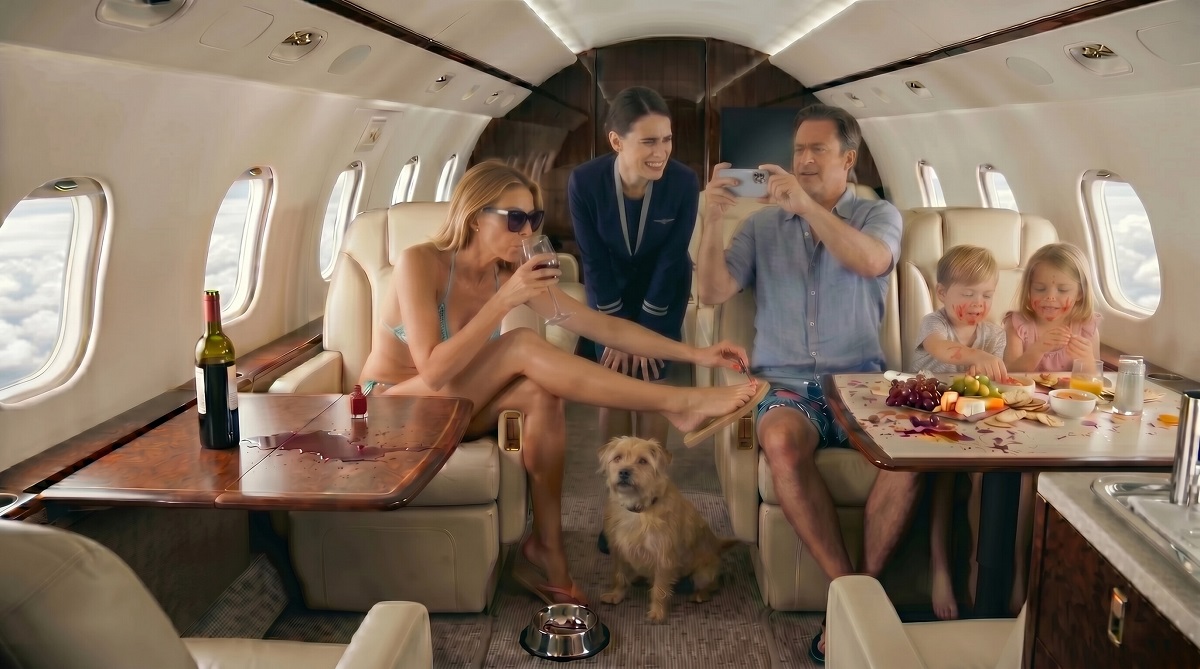
Private jets feel luxurious, and it’s tempting to snap photos or take videos of the experience. However, privacy is a top priority in private aviation. If you’re flying solo or with your family, taking cabin photos is generally not a problem. If you’re part of a larger group, especially with people you don’t know, getting verbal permission before taking pics of other guests is the polite thing to do.
Charter operators sometimes restrict photography on board or around the aircraft for confidentiality reasons, particularly if a jet is managed by a fractional or corporate owner. It’s a good idea to check with the flight crew or booking agent if you’re planning to share anything on social media.
Bringing Your Own Alcohol and Food
Private jets typically offer complimentary drinks and snacks, but bringing your own alcohol or favorite foods is allowed on most charters. Industry sources indicate that cabin crew are generally happy to serve beverages you bring from home. It’s smart to tell your operator ahead of time, as some countries have import restrictions or specific rules around open containers of alcohol.
If you want something special, like a favorite champagne or birthday cake, giving the operator 24 to 48 hours’ notice helps them prepare. Many jets don’t have full kitchens, so meals are usually prepared on the ground and reheated inflight. Keeping food requests simple makes it easier for everyone on board.
Kids on Board: Easy Rules for Family Flyers
Private jet travel can be a game-changer for families with children. Kids are welcome, but a few etiquette guidelines help keep the trip smooth. Children should stay seated (and buckled up) during takeoff, landing, and any turbulence. Books, tablets, toys, and snacks are great to bring, just like on a commercial flight.
Crew members report that families with younger children often ask for child seats or boosters, so requests like these should be made in advance. Some smaller jets don’t have traditional seat belts, so check ahead if you have car seats or harnesses you’d like to use. Crew also appreciate a heads-up if kids have any allergies or special dietary needs.
Security and Documentation: What You Need to Know
One of the big perks of private jet travel is a faster, friendlier security process. However, you’ll still need valid government ID and, for international trips, passports for every passenger. Many FBOs have relaxed security, but some locations require bag screening or quick ID checks depending on local regulations.
Operators usually collect passenger details ahead of time, so sending everyone’s full legal name, date of birth, and citizenship before the flight keeps the paperwork simple on the day of travel. If you have a last-minute change to your guest list, notify your broker or operator as soon as possible to avoid delays.
What to Wear on a Private Jet: Dress Code Tips
There’s no formal dress code for most private jet charters; passengers travel for all kinds of reasons, from beach trips to business deals. Still, research suggests that business casual or smart casual attire is a good baseline, especially if you’re flying with people outside of your immediate family or meeting anyone on arrival. Clean, comfortable clothing fits right in. Shorts, T-shirts, and flipflops are common on vacation flights, while suits or dresses sometimes make an appearance for work-related charters.
If you’re not sure what to wear, checking with your charter company or simply matching your outfit to the occasion helps you feel comfortable and confident stepping onto the jet.
FAQs About Private Jet Etiquette
Private aviation opens up a ton of new questions, so here’s a roundup of answers based on feedback and industry insight:
Question: How far in advance should I arrive before my flight?
Answer: Arriving 15 to 30 minutes ahead is usually plenty for most private jet departures.
Question: Am I supposed to tip the crew or pilot?
Answer: Tipping is not required, but appreciated for exceptional service. The amount is up to you, about $20 to $100 is fairly common.
Question: Can I bring my dog or cat on the jet?
Answer: Most private jet companies welcome pets, but pets should be well-behaved and under control. Advance notice for paperwork or crate requirements helps the crew prepare.
Question: What’s the policy on bringing my own food and drinks?
Answer: Passengers can usually bring their own food and beverages, especially if you let staff know in advance to avoid any hiccups with local rules.
Question: Does everyone need ID and a passport for private jet flights?
Answer: Yes, valid ID for domestic flights and passports for international travel are both required, even for private jets.
Tips for First-Time Private Jet Travelers
If you’re taking your first private jet trip, a little advance planning makes everything easier. Think about how early you need to leave for the airport, pack soft-sided luggage, and keep your documents handy for simple check-in. When booking, tell your operator about any special needs your group may have, such as food requests, wheelchairs or flying with pets.
Be sure to treat the crew and aircraft respectfully. It’s courteous to keep noise down, tidy up after yourself, and honor requests from the pilots or attendants regarding safety or cabin conduct. When in doubt, a quick check with your charter company can answer etiquette questions. Your private jet experience will be much smoother and more enjoyable when everyone knows the basic rules.
Booking a private jet for the first time becomes far less intimidating when you can compare your options clearly. TimeFlys helps simplify the process by letting you compare private jet charter options before choosing the aircraft and provider that feel right for your trip.
Wrap-Up
Private jet etiquette centers around courtesy, communication, and a little bit of planning. Charter companies appreciate when guests arrive on time, follow luggage guidelines, clearly communicate special requests, and generally treat the cabin and crew with respect. A bit of preparation and a positive attitude set the stage for a smooth, friendly experience that lets you focus on what matters most, having a safe and enjoyable trip. Bon voyage!