
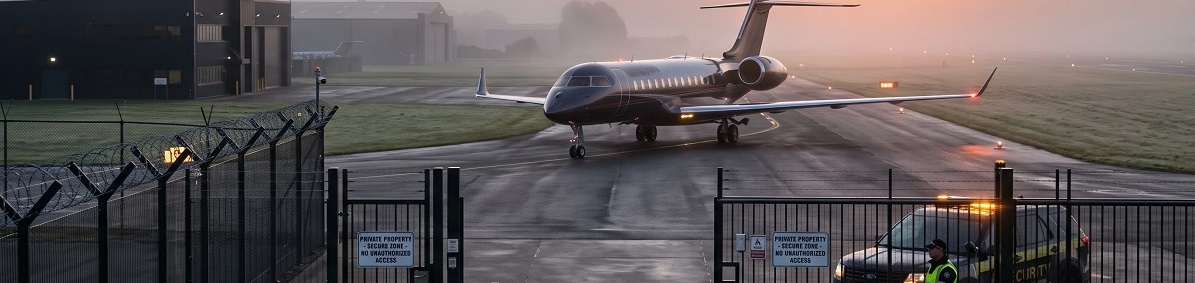
Private jet travel stays in the spotlight for being stylish and efficient, but there’s a whole other side that’s also extremely important: safety and security. Plenty of travelers want to know how private aviation stacks up in these areas, especially compared to commercial flights. As the founder of BookPrivateJetFlights.com, I’ve spent a lot of time checking out the industry and collecting reliable details that can help anyone interested in these options get a solid grip on what to expect…
Why Do Travelers Care So Much About Private Jet Safety?
Wondering what makes safety such a big talking point for private jet travelers? The truth is, avoiding crowds and having more control over the environment are some big perks. This is especially important in a world that’s become more conscious about privacy and health security in recent years.
Industry sources indicate that modern private jets are built to rigorous safety standards, often maintained and inspected at or above the same level as commercial airliners. Many private aircraft operate under Federal Aviation Administration (FAA) Part 135 regulations in the United States, which means there are specific requirements for pilot experience, regular maintenance, and operational safety. Operators who are certified by third-party auditing groups like ARGUS, Wyvern, or IS-BAO show even higher levels of safety oversight.
Apart from regulations, there’s also the benefit of knowing exactly who is on board, which reduces risk and brings a little more peace of mind. Fewer people coming and going means less exposure, less chance for something to go sideways, and an overall sense of control that just isn’t there when you’re in a busy commercial terminal.
How Does Private Jet Security Work in Practice?
It’s pretty common to wonder if flying private automatically means more security than a standard airline. The answer actually depends on a few key factors, and many people find the real-world differences surprising.
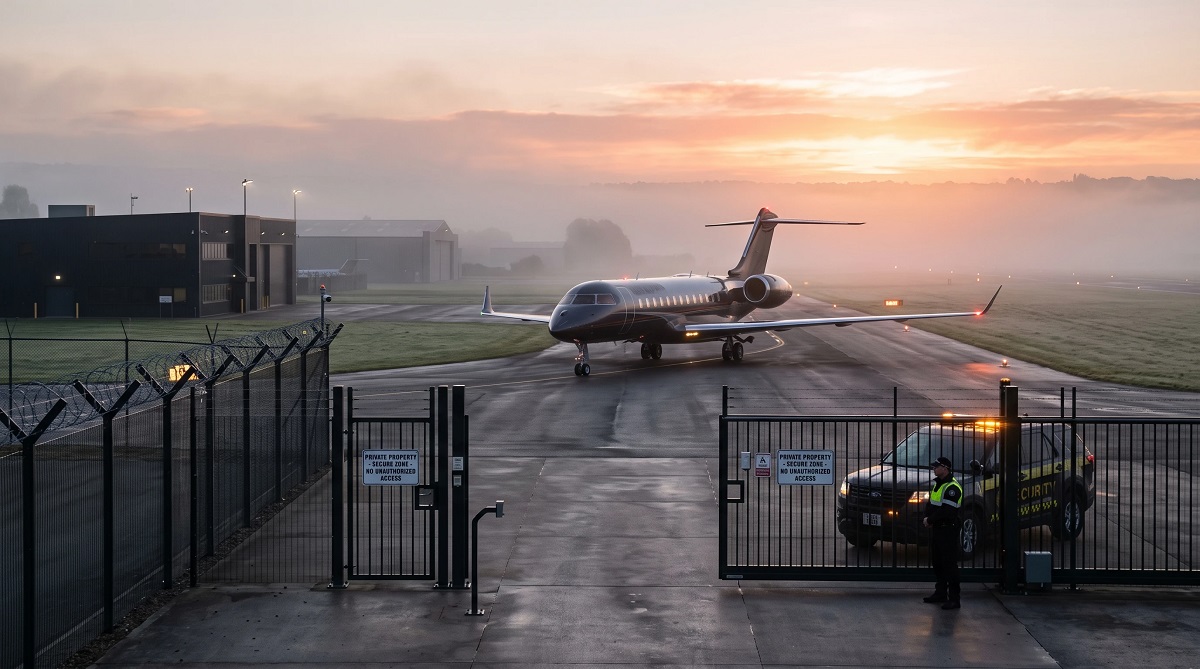
Private jet terminals, often called Fixed Base Operators (FBOs), are smaller and quieter, featuring private entrances. This reduces the risk of crowds and makes it easier for security personnel to monitor who’s coming and going. Passengers can usually drive directly up to the aircraft, keeping interactions with strangers to an absolute minimum.
There’s also custom bag and passenger screening. While TSA screening lines are replaced by streamlined, private procedures, security staff at reputable FBOs check manifest lists and often screen bags right before boarding. Vetting is typically handled in coordination with independent security partners, especially on international flights.
- Discreet Travel: Smaller, less populated terminals limit the chance of unwanted attention or disruptions.
- Custom Security Checks: Screening can be adjusted to the needs of VIPs or those with specific security risks.
- Direct-to-Plane Access: Boarding right next to the jet, with controlled tarmac access, skips the chaos of big airports and makes for a smoother process.
What About Health Safety and Privacy?
Private jets didn’t just become popular for luxury—the health and privacy benefits are front and center. Since 2020, many travelers have grown extra cautious about airborne illnesses, clean cabins, and avoiding crowds to keep their peace of mind.
Travelers frequently report that private operators gave a boost to medical-grade cleaning protocols, brought in state-of-the-art air filtration, and provided crew training to prevent germs from ever becoming a problem. Fewer passengers also means less touching of shared surfaces and almost zero contact with the general public. For high-profile clients and anyone needing confidentiality, this level of privacy can be super important—not just for comfort, but also for security.
- Dedicated Crews: Crews serve only one small group at a time, lowering risk of cross-exposure between passengers.
- Powerful Cleaning: Many jet operators use HEPA filters and disinfect cabins between every flight to keep things as safe as possible.
- Controlled Interaction: You choose your travel companions and can request sealed catering or other custom preferences for even more peace of mind and privacy.
How Are Private Jet Pilots and Maintenance Teams Qualified?
Pilot experience and aircraft maintenance are two of the biggest questions people have about safety. Private jet pilots typically bring a high level of experience to the table, often more so than their commercial counterparts.
Charter operators and fractional ownership companies look for pilots with thousands of hours of flight time and a background in either corporate aviation or commercial airlines. Ongoing training, simulator sessions, and regular safety drills are all part of the job. For maintenance, aircraft follow strict inspection timelines. The best operators voluntarily submit to regular audits by third-party safety groups and report their safety statistics to programs like the National Business Aviation Association (NBAA).
Travelers have the right to ask for safety credentials, operator certifications, and pilot resumes when arranging a flight. Operators expect these questions and don’t mind offering documentation detailing their commitment to safety—transparency is a strong sign you’re in good hands.
Could There Be Any Security Gaps or Risks?
No travel option is totally risk-free, and it’s natural to wonder if private jet travel has any blind spots when it comes to safety and security. Even with all the smart protocols, there are still some areas to keep an eye on.
Smaller operators without well-established reputations might not follow the same strict protocols as large, audited companies. According to research by the Air Charter Safety Foundation and other industry groups, sticking with reputable vetted charter operators lowers risk and generally ensures higher safety standards. Making sure the charter broker or operator holds up-to-date certifications, is transparent about pilot experience, and openly shares maintenance records goes a long way in reducing risk. Insist on seeing this information if you have any doubts.
Insurance and liability coverage can also differ from standard airline coverage. Asking directly about the scope of insurance, operator financial stability, and company history is a smart way for travelers to make sure their best interests are protected in case anything unexpected pops up.
What Are Some Real Health and Security Advantages Over Commercial Flights?
There’s plenty of buzz about the perks of private flying. But what do industry sources typically shine a light on as the big wins on security and health safety?
- Seclusion and Direct Routes: No layovers in busy hubs; passengers board and disembark far from crowds.
- Flexible Scheduling: Custom departure times can be arranged to avoid public peak hours or rush periods.
- Baggage Handling: Baggage is loaded securely and directly onto your plane, minimizing risk of loss, mishandling, or theft.
- Confidentiality: Business leaders, celebrities, or anyone who values privacy can trust their details remain protected and out of public view.
Seclusion and Direct Routes
Flying private empowers travelers to skip connecting flights and avoid congested terminals completely. You board directly next to the jet, and operations can be set up to minimize even minor delays or waiting around unfamiliar people.
Baggage Loading and Tracking
Bags are usually placed on the jet under the direct watch of the crew and pilots, making stray baggage incidents rare. This tight control also prevents theft or tampering, which is sometimes an issue at busy commercial airports.
Privacy for Personal and Business Affairs
From sensitive meetings to family getaways, flying private is the top pick for anyone who needs to talk confidentially or just wants a peaceful experience. There’s no risk of eavesdropping in a packed cabin or photographers hovering near the terminal gate.
What Should Travelers Check Before Booking a Safe Private Jet?
A lot goes into making sure a flight is both safe and secure. Careful research helps buyers make informed decisions and steer clear of unnecessary risk.
- Look For Operator Certifications: Legit charter operators proudly share their FAA Part 135 certificate and offer audit information from groups like Wyvern or ARGUS as proof of high standards.
- Review Safety Records: Check for public safety incident reports or statistics posted on the operator’s site so you have real data behind your choice.
- Ask About Crew Training: Confirm that crew and pilots have updated training certificates and recent simulator time; these details matter for safety and expertise.
- Consider Aircraft Age and Maintenance: Aircraft that are newer (less than 10 to 15 years old) and subject to routine inspections typically offer higher reliability and often come with fewer mechanical surprises.
Safety should never be treated as a side issue in private aviation. After you understand what to ask about certifications, pilot qualifications and maintenance standards, the next step is choosing a provider with confidence. Comparison platforms like TimeFlys helps you review multiple aircraft and private jet service providers while you compare private jet charter options for your specific trip.
Frequently Asked Questions
Some questions come up time and time again from travelers checking out their first private jet booking:
Question: Are private jets really safer than commercial airlines?
Answer: Both private jets and commercial airliners are subject to strict safety rules. Private jets often offer more control over your environment, but checking the operator’s certifications and safety policies is important for peace of mind.
Question: How do private jet operators keep flights secure?
Answer: Security at FBOs includes careful identity checks, private entrances, and custom security protocols tailored to the passenger list. Reputable operators go out of their way for clients with added security needs.
Question: What should I check before choosing a private jet company for security?
Answer: Research certifications, operator history, pilot qualifications, and client reviews. These steps increase confidence in both the safety and quality of the experience.
Final Thoughts on Private Jet Safety and Security
The benefits of private jet travel go beyond luxury. They include safer, more private environments, careful vetting of operators and crews, and flexible routines that put the traveler in control. Following these best practices can help anyone make the most of their private aviation experience, with less worry and a lot more confidence. For more info or industry news, BookPrivateJetFlights.com offers helpful updates, safe booking guides, and plenty of tips to keep future flyers in the loop.
The safest private jet decision is usually the most informed one. After reviewing safety standards, certifications and provider questions, use TimeFlys to compare private jet charter options and evaluate available aircraft and providers before booking with confidence.